





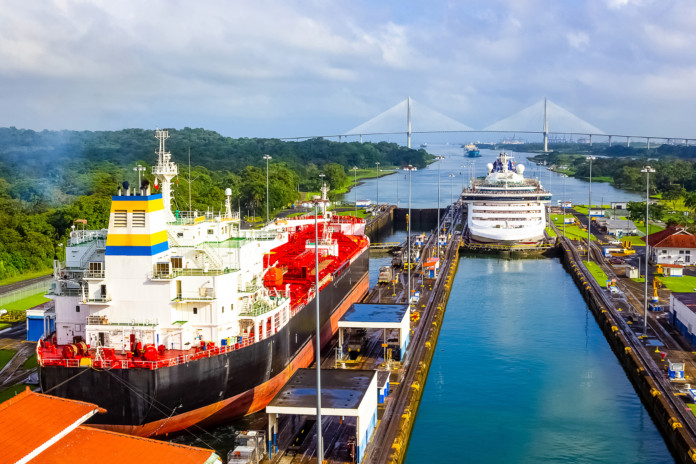

Washington/Panama City | February 6, 2025
In another flashpoint in U.S. foreign policy, the U.S. State Department announced on Wednesday that American government ships would now pass through the Panama Canal without paying tolls, claiming it as a major cost-saving measure. However, Panama Canal officials quickly denied any such agreement, making it clear that they have not changed their toll policies and remain fully in charge of the canal’s operations.
This announcement has raised tensions, especially as the U.S. increases pressure on Panama over growing Chinese investments in the region.
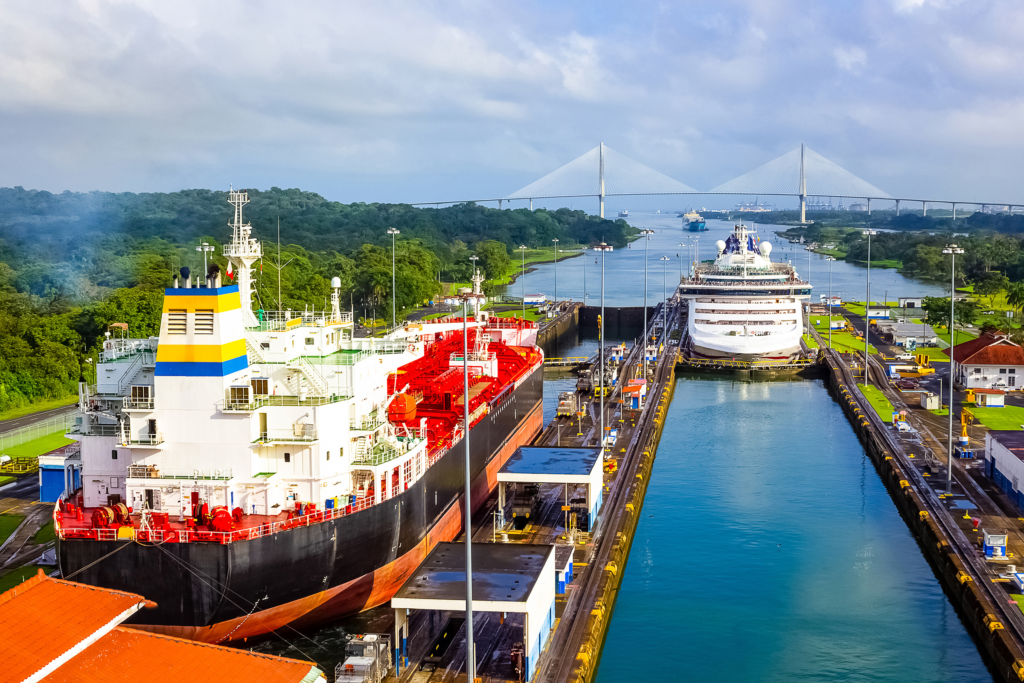
Washington Makes a Bold Claim, Panama Pushes Back
The State Department’s statement, posted on X (formerly Twitter), followed talks between U.S. Secretary of State Marco Rubio and Panamanian officials earlier this week. The claim suggested that U.S. government ships—mainly Navy fleets—would no longer have to pay tolls, potentially saving the U.S. millions of dollars annually.
But within hours, the Panama Canal Authority released a strong denial, stating:
“The Panama Canal Authority, which has the power to set tolls and other fees for using the canal, has not made any changes to them.”
The Panamanian government also dismissed the claim, saying that while they are open to discussion, there is no special deal for the U.S.
Reuters Report: U.S. Pressure, Panama’s Balancing Act
According to a Reuters analysis, Washington’s move shows its growing concern over China’s influence in Panama. Trump and Rubio have accused Beijing of expanding its role in key infrastructure, including ports at both ends of the canal.
The U.S. is also reportedly frustrated that Panama allowed Chinese companies to invest in logistics operations, fearing that Beijing could use its position to control global trade routes in a crisis.
Reuters reports that President José Raúl Mulino is trying to balance U.S. concerns while keeping strong trade ties with China. To address Washington’s worries, Panama has withdrawn from China’s Belt and Road Initiative (BRI)—a major infrastructure project that the U.S. sees as a tool for Chinese expansion.
U.S. vs. China: The Battle for Global Trade Routes
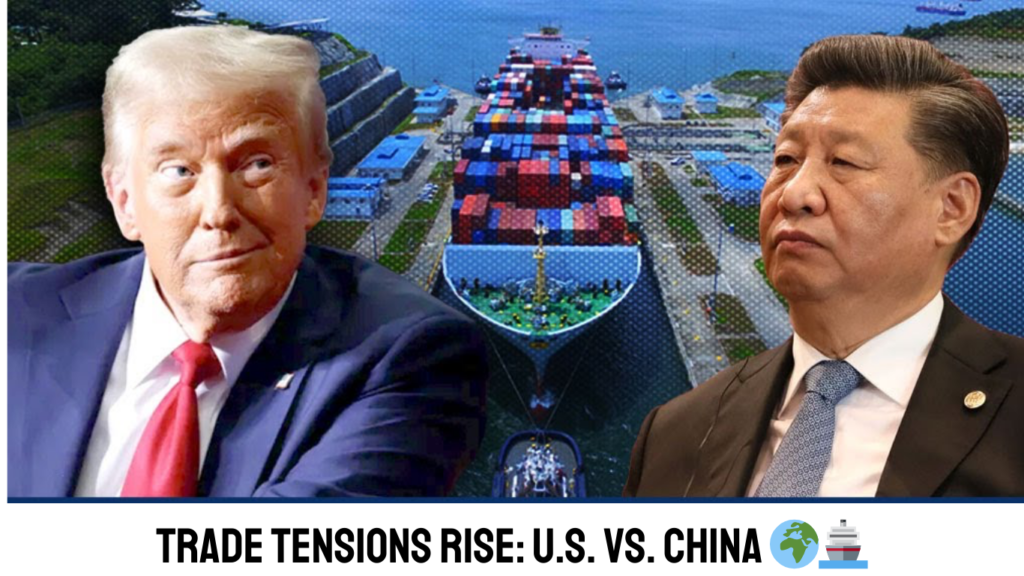
The Panama Canal is now another battleground in the growing U.S.-China rivalry. This fight is not about military strength but economic influence and strategic positioning.
- The U.S. wants to keep control of key trade routes, ensuring its military and commercial ships move freely.
- China is expanding its presence in ports, infrastructure, and supply chains worldwide, using projects like the Belt and Road Initiative to secure long-term influence.
- Panama is caught in the middle, trying to maintain strong economic ties with both powers without taking sides.
Trump’s Pressure and Talk of “Taking Back” the Canal
Since winning re-election in November, President Donald Trump has repeatedly argued that the U.S. is being unfairly charged to use the canal—even though Panama has controlled it since 1999 under a U.S.-approved treaty.
- Trump has not ruled out military action to “protect U.S. interests” in the region.
- He has criticized China’s involvement in Panama’s ports, warning that Beijing could block U.S. access.
- In his speeches, he has brought up America’s past control of the canal, saying the U.S. should never have given it up.
Why This Matters: A Critical Global Trade Route
The Panama Canal is one of the world’s most important shipping routes, handling 40% of U.S. container traffic and playing a major role in global trade.
- U.S. Navy ships frequently use the canal, but aircraft carriers are too big and must go around South America.
- Commercial ships pay tolls that help fund Panama’s economy.
- China has invested heavily in Panama, raising concerns in Washington over its influence in the region.
The U.S. and Panama are set for another round of discussions on Friday (February 7, 2025) to address the issue. However, given Trump’s growing frustration and Rubio’s warnings of stronger U.S. action, the issue is far from settled.
Final Takeaway: A Growing U.S.-Panama Dispute
This isn’t just about canal tolls—it’s about influence, power, and global trade competition. The U.S.-Panama dispute is becoming part of a larger struggle between the U.S. and China, with Panama caught in the middle.
As tensions rise, the big question remains: Will Panama stand firm, or will the U.S. push harder to secure its strategic interests? The next few weeks could shape the future of this vital trade route.