





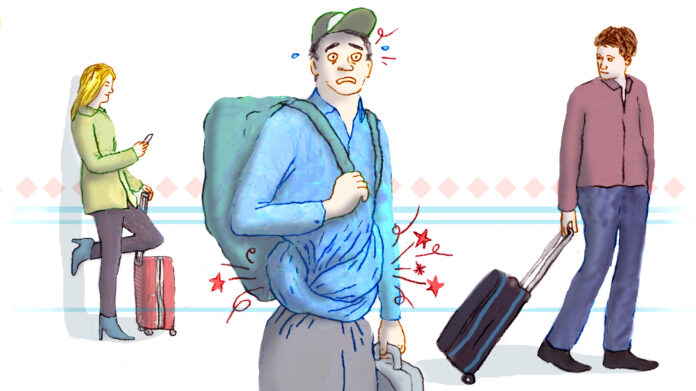

Imagine this: You’ve finally arrived at your dream destination, ready to explore new places and try exciting foods. But instead of sightseeing, you’re stuck in a hotel bathroom, battling stomach cramps and rushing to the toilet. Welcome to traveler’s diarrhea—a vacation nightmare that affects up to 70% of travelers.
What Causes It?
The culprit? Germs in food or water that your stomach isn’t used to. Bacteria, particularly Escherichia coli (E. coli), are the most common offenders, but viruses and parasites can also crash the party. These microbes sneak into your system through contaminated meals, tap water, or even a seemingly harmless ice cube in your drink.
Who’s at Risk?
Not all destinations carry the same risk. The chances of getting traveler’s diarrhea are much higher in:
- Parts of Asia
- The Middle East
- Africa
- Mexico and Latin America
Warm, humid regions with lower sanitation standards create the perfect environment for bacteria to thrive.
What Are the Symptoms?
Traveler’s diarrhea usually hits within a day of exposure and can last up to a week. Common symptoms include:
- Sudden, frequent diarrhea
- Stomach cramps and bloating
- Nausea and vomiting
- Mild fever
If a parasite is involved, symptoms might not show up for a week or more.
Can You Prevent It?
While there’s no foolproof way to avoid traveler’s diarrhea, there are ways to lower the risk:
- Be picky with food and drinks. Eat fully cooked meals served hot, peel your own fruit, and avoid salads or raw veggies that may have been washed in unsafe water. Stick to bottled or boiled beverages—yes, that includes skipping ice.
- Wash your hands. Use soap and water regularly, or keep a hand sanitizer handy.
- Be cautious with street food. It may be delicious, but if hygiene looks questionable, it’s best to pass.
What If You Still Get Sick?
Most cases of traveler’s diarrhea clear up within a few days, but staying hydrated is key.
- Drink plenty of fluids. Water, clear broths, and electrolyte solutions can prevent dehydration.
- Take anti-diarrheal medication. Over-the-counter drugs like loperamide can slow things down, but they don’t cure the infection.
- Consider antibiotics. For severe cases, doctors may prescribe a short course of antibiotics, but these should only be used when absolutely necessary.
When to See a Doctor
If diarrhea lasts more than a few days, includes blood, or comes with a high fever, it’s time to seek medical help.
Traveler’s diarrhea is unpleasant but usually short-lived. A little caution with what you eat and drink can help you avoid it, and if it does strike, hydration and rest are your best allies. So, pack smart, stay safe, and may your next trip be filled with adventure—not emergency bathroom stops!