





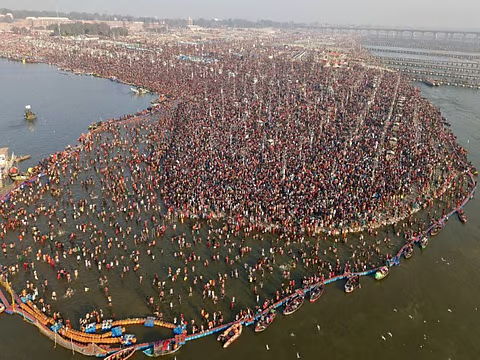

Bihar’s Ganga, once revered as the lifeline of millions, is now battling a silent crisis—rampant fecal coliform contamination that is pushing the river to the brink of an ecological disaster. Despite grand government promises of “Namami Gange” and crores spent on cleanup drives, the sacred river is gasping for breath, exposing millions to severe health hazards.
Ganga Turns Toxic: Unchecked Pollution Raises Alarm
A recent water quality report reveals shocking levels of fecal coliform bacteria in the river across multiple locations in Bihar. The numbers far exceed permissible limits, making the water unfit for consumption, bathing, or even basic household use. The worst-affected areas include Patna, Bhagalpur, and Munger, where untreated sewage, industrial waste, and open defecation have rendered the river toxic.
Government’s Hollow Promises?
Despite multiple sewage treatment plants (STPs) being installed under the Namami Gange project, many remain non-functional or operate below capacity. The lack of proper sewage disposal systems means untreated waste continues to be dumped directly into the river. With Bihar being one of the most densely populated states, the pollution crisis poses serious health risks, including waterborne diseases, bacterial infections, and long-term environmental damage.
Who is Responsible?
- Municipal bodies fail to manage urban waste effectively.
- Industries continue to release untreated effluents into the river.
- State authorities have not enforced strict monitoring or penalties for violators.
- Government projects aimed at “cleaning” the Ganga remain largely ineffective due to poor execution and lack of political will.
Public Health Crisis Looms
Doctors and environmentalists warn that continued exposure to fecal coliform-contaminated water could trigger widespread outbreaks of cholera, dysentery, typhoid, and even hepatitis. The worst affected will be rural communities that rely on the Ganga for daily needs.
Is There a Way Out?
Experts call for urgent intervention, including:
- Immediate repair and full-capacity operation of sewage treatment plants.
- Strict enforcement of pollution control measures for industries and urban waste disposal.
- Community-driven awareness campaigns to prevent direct human and industrial waste disposal into the river.
The Ganga’s Fate: Sacred or Sacrificed?
The Ganga is not just a river—it’s a cultural and spiritual icon, a source of livelihood, and a crucial ecological asset. But if the current state of affairs continues, it risks turning into a toxic drain, leaving future generations to suffer the consequences.
The question remains—will the government finally act before it’s too late, or will the holy Ganga be left to die a slow, polluted death?