





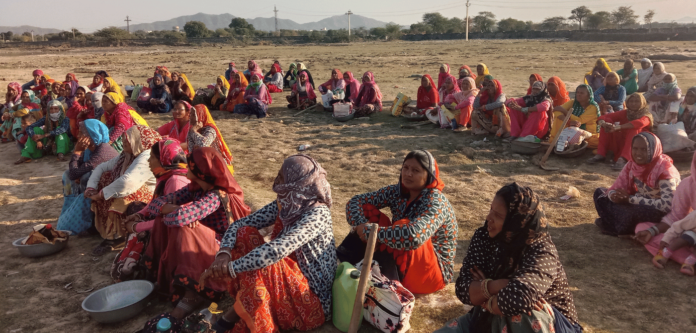

In a significant move aimed at bolstering employment opportunities in rural areas, the Rajasthan government has announced an extension of workdays under the Chief Minister’s Rural Employment Guarantee Scheme (CMREGS). Families who have completed the mandated 100 days of work are now eligible for an additional 25 days, while those in tribal regions can avail an extra 50 days. This decision underscores the state’s commitment to enhancing livelihood security for its rural populace.
Civil Society’s Response
The announcement has been met with cautious optimism by civil society organizations. The Soochna Evam Rojgar Adhikar Abhiyaan, a prominent advocacy group, acknowledged the government’s initiative but highlighted timing concerns. In a statement, the group noted,
“We welcome this step by the state government. However, since only 12 days remain in this fiscal year, workers will not be able to complete the full 25 days. Nonetheless, this is a significant victory for the workers who have been struggling for a long time.”
The organization further urged immediate implementation to maximize the benefits within the limited timeframe, emphasizing the need for prompt action to ensure the policy translates into tangible employment opportunities.
Financial Implications
Implementing this extension is expected to incur an additional expenditure of approximately ₹1,100 crore. This investment reflects the government’s dedication to supporting its rural workforce, particularly in the face of economic challenges exacerbated by global and domestic factors.
Context and Future Outlook
This development aligns with Rajasthan’s broader legislative efforts to provide social security and employment guarantees. The state’s Minimum Income Guarantee Bill proposes not only extended workdays but also assured pensions for vulnerable demographics, aiming to create a more inclusive social safety net.
As the current fiscal year draws to a close, the effectiveness of this policy will largely depend on swift execution and the government’s ability to mobilize resources efficiently. The coming weeks will be crucial in determining how many eligible families can capitalize on this extension, thereby setting a precedent for future employment guarantee initiatives.