






New Delhi |
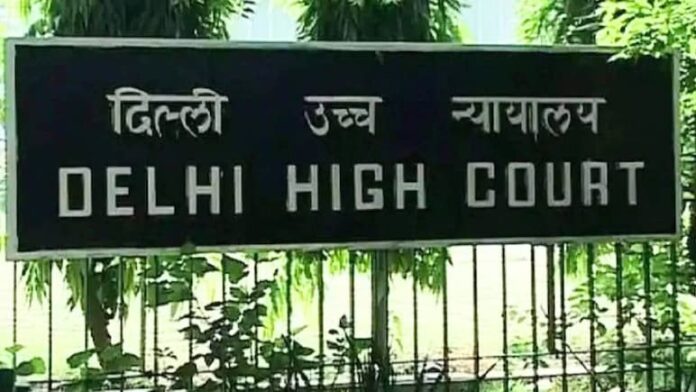
The debate over renaming India to ‘Bharat’ or ‘Hindustan’ has resurfaced, with the Delhi High Court directing the Centre to act quickly on a pending representation related to this matter.
The petitioner, Namaha, had initially approached the Supreme Court in 2020, which had forwarded the plea to the appropriate ministries for consideration as a formal representation. However, with no progress communicated by the government since then, the petitioner turned to the High Court seeking action.
In its order on March 12, Justice Sachin Datta allowed the petitioner to withdraw the current plea and pursue the issue directly with the concerned ministries. The court also asked the Centre’s counsel to ensure that the Supreme Court’s 2020 directive is followed promptly.
What Was the Petition About?
The petitioner, represented by Senior Advocate Sanjeev Sagar, argued that the name ‘India’ reflects colonial influence, while ‘Bharat’ is deeply rooted in Indian culture and history. The plea called for an amendment to Article 1 of the Constitution, which currently states:
“India, that is Bharat, shall be a Union of States.”
The petitioner believes that officially using ‘Bharat’ as the sole name would help the country shed its colonial legacy and align with its cultural identity.
Historical Context
The plea cited the 1948 Constituent Assembly debates, where several leaders had supported naming the country as ‘Bharat’ or ‘Hindustan’. It added that with many Indian cities already being renamed to reflect indigenous roots, the time has come to consider changing the country’s official name as well.
What Happens Next?
Now, it’s up to the ministries under the Union government to review the petition and decide whether a constitutional amendment to rename the country should be considered. There is no official timeline yet, but the High Court’s reminder may push the government to take a clear stance.