






In a sharp escalation of regional tensions, India has announced that it successfully neutralised an air defence system in Lahore as part of its precision response to recent cross-border attacks. This bold strike came after Pakistan attempted to target military sites across Northern and Western India late on May 7.
According to an official release from the Ministry of Defence via PIB, the Indian Armed Forces hit multiple Pakistani military installations, including air defence radars. Notably, the strike on Lahore’s air defence system has drawn significant attention.
But what exactly is an air defence system, and why is taking it out so critical?
🛡️ What Is an Air Defence System?
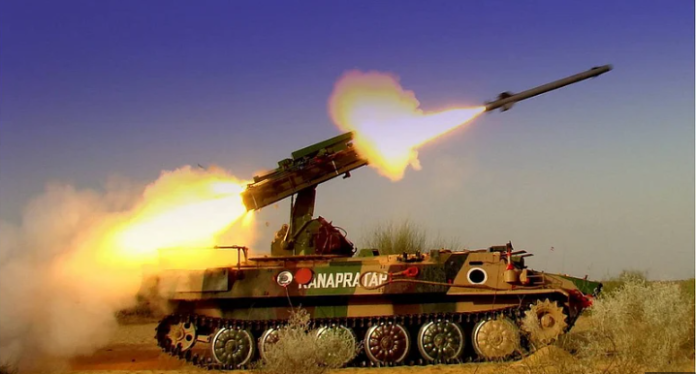
An air defence system is like a city’s invisible shield. It uses radar, sensors, and missiles to track and shoot down incoming threats—like enemy aircraft, missiles, or drones—before they can strike targets on the ground.
The most common part of this system is the Surface-to-Air Missile (SAM), a ground-launched missile designed to intercept aerial threats mid-air. But these systems are far more than just missiles—they include:
-
Radar systems to detect approaching objects
-
Jammers and electronic countermeasures
-
Air sirens and early-warning alerts
-
Human personnel who decide how and when to launch interception
Once a target is spotted, the system launches a guided missile that explodes near the threat, often so high in the sky that even the debris doesn’t reach the ground.
💥 Why Was Lahore’s Air Defence Targeted?
Neutralising an air defence system is a strategic move. It opens the sky, clearing the path for further operations. In military terms, disabling Lahore’s system sends a strong message and weakens Pakistan’s ability to shield itself from future attacks.
Destroying air defences is often a precursor to deeper strikes, allowing aircraft or drones to penetrate without being intercepted.
🔁 Defence as Layers: More Than Just Missiles
There are multiple layers of defence:
-
Active Defence – Tracking and intercepting threats in real-time (like India’s S-400 systems)
-
Passive Defence – Hardening key structures, using camouflage, and having emergency services ready
-
Offensive Counter-Air – Going directly after the enemy’s ability to strike, like India just did in Lahore
🌐 Pakistan’s Defence System – What It Includes
Pakistan’s air defences include older American and Soviet-era systems, along with newer Chinese and Turkish weapons. With limited access to high-end Western systems, it relies on these mixed technologies to protect its airspace.
🧭 What’s Next?
India’s move reflects a shift toward precision deterrence—striking only what’s necessary without causing broader military escalation. It also highlights India’s growing confidence in its advanced radar and missile defence grid, particularly the S-400 air defence system, which intercepted eight Pakistani missiles just hours before the Lahore strike.
As the situation evolves, global attention remains fixed on both nations’ next steps—will diplomacy cool the tension, or is this just the beginning of a longer standoff?