




Sunday, February 15, 2026
HomeWorldWorld NewsTrump’s sanctions on Russian oil: How Reliance, Nayara Energy earnings will be...

Trump’s sanctions on Russian oil: How Reliance, Nayara Energy earnings will be hit explained

Published:

Harshitha Bagani
Harshitha Bagani
I am an editor at Grolife News, where I work on news articles with a focus on clarity, accuracy, and responsible journalism. I contribute to shaping timely, well-researched stories across current affairs and on-ground reporting.

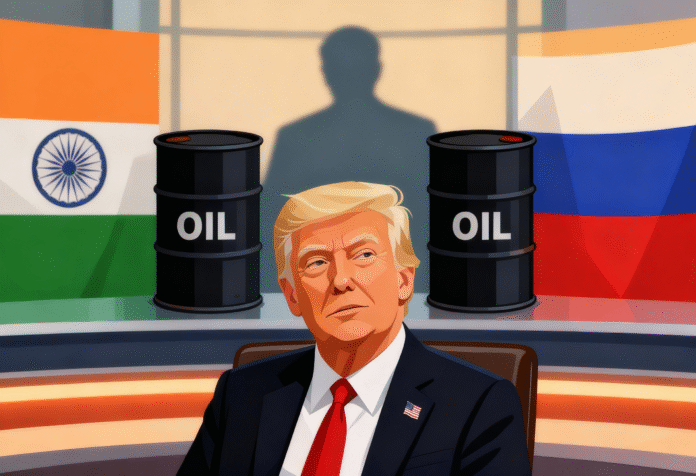
US President Donald Trump’s decision to impose sanctions on two of Russia’s largest oil producers Rosneft and Lukoil is set to hit India’s refining sector, particularly Reliance Industries Ltd (RIL) and Nayara Energy, which rely heavily on discounted Russian crude.

According to industry experts, these sanctions could reduce Reliance’s EBITDA by ₹3,000–3,500 crore, as Indian refiners brace for a sharp drop in Russian oil supplies and rising costs from alternative sources.

Why the sanctions matter for India

Before the Russia-Ukraine war, India sourced most of its crude oil from the Middle East. But as the conflict escalated in early 2022 and G7 nations imposed a $60-per-barrel price cap on Russian oil, India turned to Moscow’s discounted barrels to meet demand.

Since then, Russian oil has made up nearly 25% of India’s total crude imports, helping refiners like RIL and Nayara maintain strong margins despite global volatility. With the latest sanctions in place, this supply cushion may now shrink significantly.

How Reliance and Nayara are affected

Analysts say that RIL’s oil-to-chemicals (O2C) segment which contributes nearly one-third of its total earnings could see an estimated 12% increase in refining costs as the company scrambles to source non-Russian crude.

“RIL, which had signed a crude supply agreement with Rosneft, will not be able to honour its terms given the new sanctions,” an industry analyst said, adding that even a $1 increase in gross refining margin can swing earnings by 2%.

At present, Reliance’s O2C EBITDA stands at ₹15,008 crore, with its total group EBITDA at ₹50,367 crore. Even if impacted, experts believe the company’s diversified portfolio will help it absorb part of the hit.
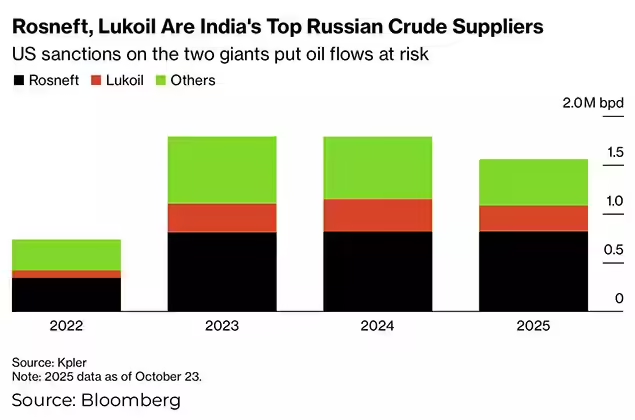

 

Rosneft, Lukoil are India’s top Russian crude suppliers

What about Nayara Energy?

Nayara Energy, in which Rosneft holds about 50% ownership, faces deeper trouble. Its Vadinar refinery in Gujarat, one of India’s largest, operates at 60–70% capacity and depends heavily on Russian crude. With supply lines disrupted, production may dip further.

The company is already grappling with earlier EU sanctions and may find it difficult to obtain crude or sell refined products in Western markets.

Government-run refiners also at risk

State-run oil marketing firms such as Indian Oil Corporation (IOC), Bharat Petroleum Corporation (BPCL), and Hindustan Petroleum Corporation (HPCL) could also feel the pinch.

“Even though they don’t have fixed-term contracts with Russia, losing about 30% of discounted crude and facing a $2–3 per barrel price rise could shrink refining margins by up to 10%,” a market observer noted.

Can OPEC fill the gap?

Industry experts suggest that additional supply from OPEC nations could help offset shortfalls, though it may not fully stabilize prices. Middle Eastern crude remains available, but the sanctions are expected to tighten overall market supply and push global oil prices higher.

The bottom line

Trump’s sanctions have put Indian refiners in a difficult position juggling between supply security and rising costs. While Reliance may manage the shock through diversification, Nayara Energy and state-run refiners face a more uncertain outlook.

For India, the move underscores once again how geopolitics continues to shape the economics of oil.


Related articles

spot_img

Recent articles

spot_img

Social Media

0FansLike
0FollowersFollow
0FollowersFollow
0SubscribersSubscribe