





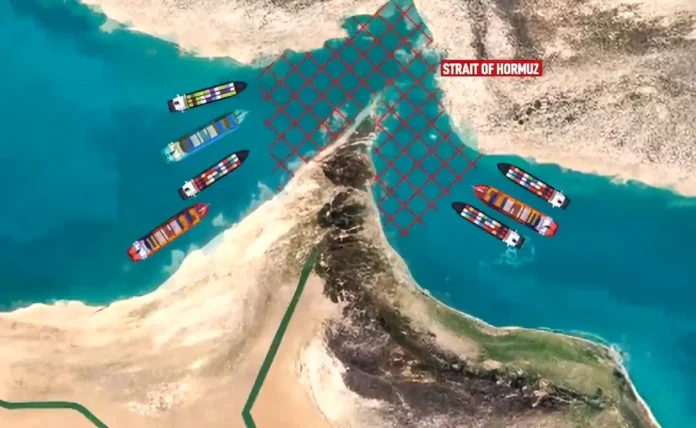

Two India-flagged liquefied petroleum gas (LPG) tankers have successfully crossed the strategically critical Strait of Hormuz and are now en route to India, marking an important breakthrough amid rising tensions in the Middle East. The vessels, operated by the Shipping Corporation of India, completed the passage following intensive diplomatic engagement between New Delhi and Tehran aimed at ensuring the safe movement of Indian merchant ships through the volatile waterway.
The tankers Shivalik and Nanda Devi were able to navigate the narrow maritime corridor linking the Persian Gulf to the Gulf of Oman. Officials described the transit as a carefully coordinated operation that involved communication with regional authorities to minimise risks to the vessels and their crews.
Diplomatic Efforts Behind the Safe Passage
The successful crossing comes after multiple rounds of diplomatic dialogue between India and Iran. External Affairs Minister S. Jaishankar reportedly held four separate phone conversations with Iran’s Foreign Minister Abbas Araghchi since tensions escalated earlier this year.
India also escalated the matter to the highest political level. Prime Minister Narendra Modi held discussions with Iranian President Masoud Pezeshkian to ensure that Indian-flagged vessels could safely transit through the region despite the ongoing conflict.
During the conversation, Modi expressed concern about the deteriorating security environment and emphasised the need to protect maritime trade routes that are crucial for global energy supplies.
In a statement shared on social media, the Prime Minister highlighted that the safety of Indian citizens and uninterrupted movement of goods remain India’s top priorities.
Cargo and Strategic Importance
The tanker Shivalik is carrying approximately 40,000 metric tonnes of LPG, while Nanda Devi is transporting a substantial quantity of fuel as well. Both vessels are now heading toward Indian ports, where the cargo will contribute to domestic energy supplies.
The successful crossing is significant because shipping traffic through the Strait of Hormuz has been heavily disrupted in recent weeks.
The waterway, located between Iran and Oman, is one of the most important energy corridors in the world. Nearly 20 percent of global oil and gas shipments pass through the strait every day, making it essential for international trade and energy markets.
Any disruption to shipping in the region has immediate consequences for countries that rely heavily on imported energy, including India.
More Indian Ships Await Clearance
While the safe transit of the two tankers offers some relief, Indian authorities are still working to ensure the safety of several other vessels operating in the area.
According to officials from the Ministry of Shipping, more than two dozen Indian-flagged merchant ships remain stationed on either side of the Strait of Hormuz and are awaiting clearance to proceed.
Rajesh Kumar Sinha, Special Secretary in the ministry, confirmed that the government is closely monitoring the situation and coordinating with regional partners to secure safe passage for these vessels.
He also noted that another Indian-flagged tanker, Jag Prakash, has departed from the eastern side of the strait. The vessel is transporting gasoline from Oman to Africa and successfully began its voyage despite the tense security environment.
Risks to Shipping in the Region
The situation in the Persian Gulf has become increasingly volatile following military strikes involving the United States and Israel against Iran earlier this year. The escalation has triggered retaliatory actions and heightened security risks across key maritime routes.
Shipping companies and governments have been forced to adopt additional safety measures as attacks on vessels in the region have become a growing concern.
Earlier this week, a Thai-flagged cargo ship heading toward Kandla Port was reportedly attacked shortly after departing from a port in the United Arab Emirates. The incident underscored the dangers faced by commercial shipping in the region.
Indian Seafarers in the Gulf
The safety of Indian crew members working in the Gulf has also become a key concern for the government. According to official estimates, nearly 23,000 Indian seafarers are currently employed on merchant vessels, offshore rigs and harbour ships across the wider Gulf region.
These workers form a significant part of the global maritime workforce and play a crucial role in international trade.
Indian authorities have been maintaining regular contact with shipping companies and foreign governments to ensure that crew members remain safe during the ongoing crisis.
A Critical Maritime Lifeline
For India and many other energy-importing countries, the Strait of Hormuz represents a vital maritime lifeline. Any prolonged disruption could lead to supply shortages, rising fuel prices and broader economic consequences.
The successful passage of Shivalik and Nanda Devi therefore provides a temporary reassurance that diplomatic engagement can help maintain critical trade routes even during periods of geopolitical tension.
However, with the regional conflict still unfolding, the situation remains fragile. Governments, shipping companies and energy markets around the world will continue to watch developments in the Persian Gulf closely in the coming weeks.