





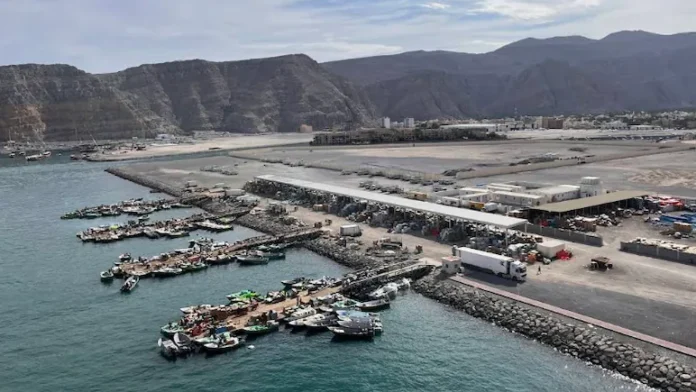

In a major escalation of tensions in the Middle East, the United States Central Command has confirmed carrying out precision strikes on Iranian missile installations near the strategically vital Strait of Hormuz. The operation involved the use of powerful 5,000-pound “bunker buster” bombs designed to destroy deeply fortified military targets.
The strikes come in response to Iran’s decision to block the Strait of Hormuz, a narrow maritime passage that handles nearly one-fifth of the world’s oil supply. The closure has disrupted global shipping routes and triggered a sharp increase in energy prices, intensifying concerns about economic fallout and regional instability.
Targeting Strategic Missile Infrastructure
According to official statements, US forces deployed deep-penetration munitions against hardened missile sites located along Iran’s coastline. These sites reportedly housed anti-ship cruise missiles capable of targeting vessels passing through the Strait.
Military officials stated that these installations posed a direct threat to international shipping and maritime security. By targeting them, the United States aimed to neutralize immediate risks and pave the way for reopening the critical waterway.
The bunker buster bombs used in the operation are specifically engineered to penetrate reinforced underground structures before detonating, making them effective against concealed or heavily protected military assets.
Strait Closure Sparks Global Concern
Iran’s move to shut down the Strait of Hormuz followed escalating hostilities involving the United States and Israel. The closure effectively created a chokepoint for global oil transport, leading to widespread disruption in maritime traffic.
Energy markets reacted swiftly, with oil prices surging amid fears of prolonged supply constraints. The Strait is considered one of the world’s most critical energy corridors, and any disruption has immediate global repercussions.
While Iran has maintained that its actions are a response to military pressure, the blockade has drawn widespread international concern due to its potential to destabilize global trade and energy security.
Divisions Among US Allies
The US military action also comes against the backdrop of limited support from traditional allies. Several members of the NATO reportedly declined requests to participate in securing the Strait or assisting in maritime operations aimed at easing the blockade.
Expressing frustration, US President Donald Trump publicly criticized allied nations for not contributing to the effort. He argued that ensuring free navigation in the Strait aligns with global interests, particularly in preventing Iran from advancing its nuclear capabilities.
Trump emphasized that even modest contributions, such as deploying minesweepers, could have supported the mission. However, the lack of coordinated international backing has left the United States largely leading the response.
Despite the criticism, the President indicated that the US would continue its operations independently if necessary, framing the intervention as essential for global stability.
Iran’s Position on Nuclear Programme
Iran has consistently denied allegations that it is pursuing nuclear weapons, stating that its nuclear programme is intended solely for peaceful purposes, including energy production.
However, tensions over Iran’s nuclear ambitions have been a longstanding source of friction between Tehran and Western nations. The current conflict has further intensified these concerns, with military actions now intersecting with broader geopolitical disputes.
The Power Behind ‘Bunker Buster’ Bombs
The weapons used in the strikes, commonly referred to as “bunker buster” bombs, are among the most potent non-nuclear munitions in the US arsenal. Weighing approximately 5,000 pounds (around 2,268 kilograms), these bombs are designed to penetrate hardened surfaces such as concrete bunkers or underground facilities before exploding.
Defense reports estimate the cost of each bomb at nearly $288,000, reflecting their advanced engineering and specialized capabilities. While highly destructive, these weapons are still less powerful than the massive 30,000-pound bombs previously deployed by the United States in strikes targeting nuclear infrastructure.
Their use in the current operation underscores the strategic importance of the targets and the level of resistance expected from fortified missile sites.
A Region on Edge
The situation in the Strait of Hormuz remains highly volatile, with the potential for further escalation. Military analysts warn that continued conflict in the region could have far-reaching consequences, not only for energy markets but also for global security dynamics.
Efforts to reopen the Strait are likely to face ongoing challenges, particularly if hostilities persist. The absence of a unified international response further complicates the situation, raising questions about long-term stability.
As diplomatic options appear limited, the focus now shifts to whether military actions can successfully restore maritime access without triggering a broader conflict.