





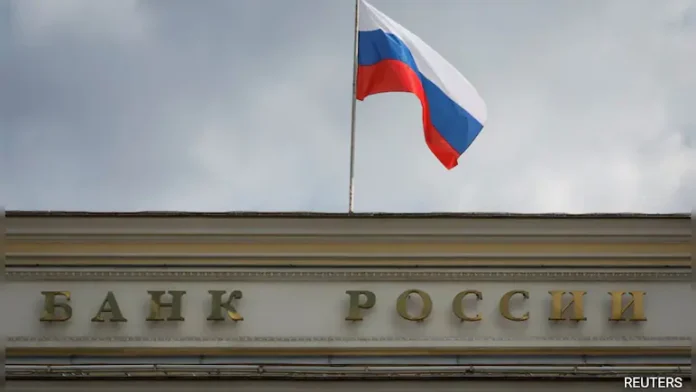

Russia has announced a ban on gasoline exports starting April 1, a move aimed at prioritising domestic supply and stabilising fuel prices as global energy markets face volatility amid escalating tensions in West Asia. The decision, taken after a high-level review of the domestic petroleum market, signals growing concern among major energy producers over potential supply disruptions and price spikes.
The announcement followed a meeting chaired by Deputy Prime Minister Alexander Novak, where officials assessed domestic fuel availability, refinery operations, and price stability. According to a statement issued by the Russian government, the export restriction is designed to ensure that domestic demand is met and that retail fuel prices remain within forecasted levels.
Officials noted that global oil and petroleum product prices have been fluctuating due to geopolitical instability, even as international demand for Russian energy remains strong. The export ban is expected to temporarily reduce outward shipments of gasoline, allowing authorities to redirect supplies to the domestic market.
The decision also aligns with directives from Russian President Vladimir Putin, who has emphasised preventing domestic fuel prices from rising above projected levels. Russia’s Ministry of Energy reported that refining rates remain consistent with recent months, and that companies hold sufficient gasoline and diesel reserves to meet internal demand. High refinery capacity utilisation and stable production levels were cited as key factors supporting the export restriction.
The move comes at a time when global energy markets are already under pressure from geopolitical tensions in the Middle East, which have raised concerns about shipping routes, supply disruptions, and price volatility. Any reduction in exports from major producers like Russia can tighten supply in international markets, potentially pushing fuel prices higher.
Russia is one of the world’s largest energy exporters, and changes in its export policy often influence global fuel pricing. By prioritising domestic consumption, Moscow aims to shield its local market from international volatility, but the decision could reduce gasoline availability elsewhere, affecting import-dependent nations.
Energy analysts say the timing of the ban suggests precautionary planning. With uncertainty over shipping corridors and crude flows, governments are increasingly focusing on securing domestic supply. Similar measures have been taken in the past by major exporters to control inflation and ensure fuel availability.
For countries reliant on imports, including several Asian economies, any tightening of supply could translate into higher procurement costs. This makes Russia’s export restriction particularly significant as markets remain sensitive to geopolitical developments.
Amid concerns over global supply disruptions, Indian officials have sought to reassure markets and consumers about domestic fuel availability. The Ministry of Petroleum and Natural Gas said India currently maintains sufficient crude oil stocks, with fuel supplies secured for the next two months.
Officials stated that refineries across the country are operating at full or even above capacity to maintain steady production of petrol, diesel, and LPG. Domestic LPG production has also reportedly increased by around 20 per cent, helping offset pressure from global supply fluctuations.
At a joint inter-ministerial briefing, petroleum officials acknowledged that international crude oil, LNG, and LPG prices have risen due to ongoing tensions. However, they said calibrated policy decisions and inventory management have ensured stability in domestic markets. Authorities emphasised that logistics and supply chains remain operational, with no immediate risk of shortages.
The government also indicated that it is closely monitoring global developments and remains prepared to take additional measures if required. These could include inventory adjustments, supply diversification, or pricing interventions to maintain market stability.
Russia is expected to formally implement the gasoline export ban from April 1, with regulatory details to be finalised by the Ministry of Energy. The duration of the restriction has not yet been specified, suggesting authorities may review the policy based on market conditions.
Global markets will closely watch how the decision affects supply flows and pricing trends. If the export ban continues for an extended period, it could tighten gasoline availability in certain regions and increase price volatility.
Meanwhile, India and other import-dependent countries are likely to continue monitoring inventories and supply routes. Governments may also explore alternative suppliers or adjust procurement strategies to mitigate risks. Energy companies are expected to maintain higher-than-normal stock levels until geopolitical tensions ease.
The decision affects multiple stakeholders, including global fuel importers, energy companies, and consumers. Reduced exports from Russia could influence international gasoline prices, impacting transportation costs and inflation in several countries.
For India, the impact is currently limited due to adequate inventories and high refinery output. However, prolonged global volatility could affect procurement costs and fuel pricing trends. Industries dependent on fuel, including logistics, aviation, and agriculture, will closely track developments.
Consumers may also feel indirect effects if global prices remain elevated. Governments worldwide are therefore prioritising domestic supply management and price stability measures.
Russia’s export restriction reflects a broader trend among energy-producing nations to secure internal markets amid uncertainty. As geopolitical tensions continue, energy security is likely to remain a key focus for policymakers globally.