





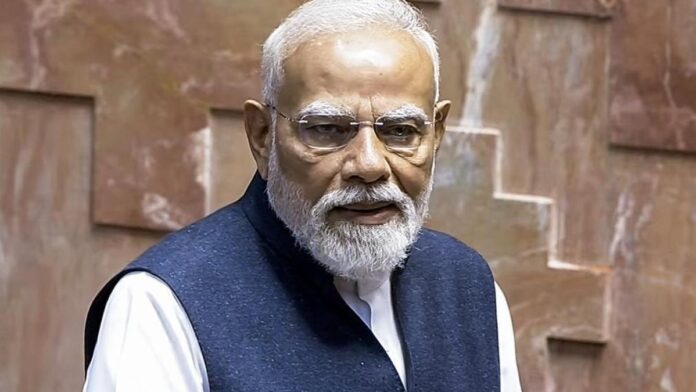

Narendra Modi held a crucial conversation with Masoud Pezeshkian on Saturday, emphasizing the importance of maintaining freedom of navigation in the Gulf region as tensions continue to disrupt critical energy and shipping routes. The discussion, held on the occasion of Eid and the Persian New Year Nowruz, comes at a time when India is increasingly concerned about energy security, safety of its citizens, and the broader implications of the ongoing conflict.
In a social media post after the call, Modi said he conveyed festive greetings while also expressing hope for peace and stability in West Asia. He condemned attacks on critical infrastructure and stressed that shipping lanes must remain open and secure. The emphasis on maritime security reflects India’s growing unease over disruptions in the Strait of Hormuz, through which a significant portion of India’s oil imports passes.
Iran, meanwhile, used the conversation to push for diplomatic pressure on its adversaries. President Pezeshkian called for the immediate cessation of military actions by the United States and Israel, describing it as a prerequisite for ending the conflict. He also urged India, which currently holds the presidency of the BRICS grouping, to play an independent role in promoting peace and halting hostilities.
According to a statement from the Iranian side, Pezeshkian proposed the creation of a regional security framework involving West Asian countries without foreign interference. He also reiterated Tehran’s willingness to engage in both direct and multilateral dialogue to demonstrate the peaceful nature of Iran’s nuclear program.
The conversation between the two leaders comes amid heightened geopolitical tensions that began after strikes on Tehran in late February. Since then, the conflict has expanded across multiple countries, raising concerns over energy flows, maritime safety, and civilian security. India, which imports a large portion of its crude oil from the Gulf, has been closely monitoring developments.
New Delhi’s immediate priority has been the safety of Indian nationals in the region. According to Randhir Jaiswal, India has evacuated around 882 citizens including businessmen, students, and pilgrims—from Iran. The evacuation was carried out through neighboring countries, including Armenia and Azerbaijan, as part of contingency measures implemented by the government.
Despite these efforts, concerns remain for millions of Indian workers across Gulf nations and for sailors aboard merchant vessels operating in the region. Several tankers and commercial ships have reportedly been delayed due to security risks and restricted navigation. The situation has increased fears of supply disruptions and economic fallout.
India has also faced casualties among its nationals during the conflict. An Indian citizen was killed in a missile strike in Riyadh earlier this week, raising the number of Indian fatalities linked to the conflict. The development has added urgency to India’s diplomatic outreach, which has included conversations with multiple stakeholders.
External Affairs Minister S. Jaishankar also spoke with Iranian Foreign Minister Seyed Abbas Araghchi to discuss the evolving situation. Jaishankar said the conversation focused on regional implications and the need to prevent further escalation.
India has simultaneously engaged other regional actors. In recent days, Jaishankar also spoke with Gideon Sa’ar, highlighting New Delhi’s efforts to maintain communication with both sides. Officials described these discussions as part of ongoing diplomatic engagement aimed at de-escalation.
This is not the first time Modi has raised concerns about the crisis. Earlier this month, he spoke with President Pezeshkian and stressed the importance of diplomacy. He also emphasized the need to ensure the safety of Indian nationals in the region and prevent disruption to global energy supplies.
Iran’s leadership, however, rejected allegations that it is a source of instability. President Pezeshkian accused Israel of conducting strikes across multiple countries and argued that such actions were fueling regional unrest. He reiterated Iran’s position that ending external attacks would pave the way for negotiations.
For India, the stakes remain high. Any prolonged disruption in the Strait of Hormuz could affect fuel supplies, shipping costs, and inflation. Additionally, the safety of Indian expatriates—both skilled and unskilled workers—remains a top priority for policymakers.
As the conflict continues, India’s diplomatic approach appears focused on balancing strategic interests with humanitarian concerns. By urging freedom of navigation and calling for restraint, New Delhi is attempting to safeguard economic stability while advocating for peace.
Whether these diplomatic efforts will help ease tensions remains uncertain. However, India’s active engagement with regional leaders signals its growing role in navigating complex geopolitical crises that directly affect its economic and security interests.