






Nepal has entered a pivotal moment in its democratic journey as voters across the Himalayan nation headed to polling stations in the first national election since last year’s dramatic youth-led uprising reshaped the country’s political landscape. The election, closely watched both domestically and internationally, follows months of political turmoil triggered by mass protests driven largely by younger citizens demanding systemic reform.
Across the country of nearly 30 million people, long queues formed outside polling centres as citizens cast their ballots in an election that many see as a test of whether Nepal’s political system can respond to public anger over corruption, unemployment, and entrenched patronage networks.
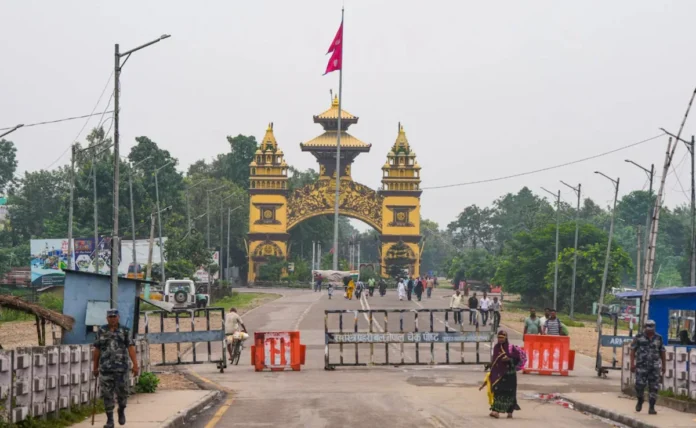
Authorities implemented extensive security arrangements to prevent a repeat of last year’s unrest. Vehicles were banned on polling day, political rallies were suspended, and security forces patrolled major cities and rural districts to ensure a peaceful voting process.
A Youth Movement That Changed Nepal’s Politics
The current election cannot be understood without looking back at the protests that erupted in September 2025. What began as demonstrations against a government ban on social media quickly evolved into a nationwide movement against corruption and political favoritism.
Young Nepalis flooded the streets of Kathmandu and other major cities, demanding transparency and accountability from political leaders. Protesters accused traditional political elites of fostering a system dominated by nepotism and patronage.
The demonstrations eventually turned violent. Protesters clashed with security forces, and several government buildings including the parliament complex, the Supreme Court, and the central secretariat were set ablaze.
Authorities reported that at least 77 people were killed during the unrest, many of them protesters shot by police. The scale of the violence forced then Prime Minister Khadga Prasad Oli to resign, leading to the dissolution of parliament and the formation of an interim government tasked with stabilizing the country and organizing fresh elections.
Interim Prime Minister Sushila Karki, a former chief justice who returned from retirement to guide the transition, appealed for calm as voting began.
“Every vote is important in determining our future,” she said in a public statement urging citizens to participate peacefully in the democratic process.
Youth Voters Take Centre Stage
The election has drawn unprecedented attention from younger voters, who played a central role in last year’s protests.
Nepal’s Election Commission reports that nearly 18.9 million citizens are registered to vote an increase of more than 900,000 since the previous election in 2022. More than half of those voters are between the ages of 18 and 40, giving younger generations significant influence over the outcome.
For many young voters, the election represents more than a routine democratic exercise. It is seen as an opportunity to push for political change after years of frustration with traditional parties.
Some voters have traveled long distances to participate. Dipika Saru Magar, a 25-year-old student who journeyed nearly 16 hours from Kathmandu to vote in her hometown, said the election carries personal significance for those who joined last year’s demonstrations.
During the protests, Magar held a banner that read: “No more nepotism, manipulation, and bootlicking” a slogan that became widely associated with the youth movement.
Despite her optimism about the electoral process, she expressed caution about whether the next government will deliver meaningful reforms.
“I hope things will change, but I am not sure if the new leadership will meet people’s expectations,” she said.
A New Challenger Emerges
One of the most closely watched figures in the election is Balendra “Balen” Shah, a 35-year-old rapper-turned-politician who rose to national prominence after winning the Kathmandu mayoral election in 2022.
Shah later became a vocal supporter of anti-government protests and has positioned himself as a leading advocate for political reform. Running under the banner of the National Independent Party, he has attracted strong support among younger voters who are disillusioned with established political parties.
In a high-profile contest, Shah is challenging former prime minister KP Sharma Oli in a constituency long considered a stronghold of Oli’s political base.
Political analysts say Shah’s campaign reflects broader shifts in Nepal’s political culture, where independent candidates and new political movements are increasingly challenging the dominance of traditional parties.
Established Parties Still Hold Power
Despite growing support for new political forces, Nepal’s established parties continue to wield considerable influence.
The Nepali Congress and the Communist Party of Nepal (Unified Marxist–Leninist) remain major political players with deep-rooted organizational networks and loyal voter bases across the country.
Together with other communist factions, these parties have dominated Nepalese politics for decades. However, public frustration with corruption and repeated coalition collapses has weakened public confidence in the traditional political establishment.
Many voters say they are weary of political instability that has prevented economic progress and job creation.
IT professional Biki Shrestha summed up the sentiment shared by many younger citizens.
“This election will decide whether my four-year-old son will grow up in Nepal or whether we will have to move abroad,” he said.
Security and Logistical Challenges
Ensuring a smooth election across Nepal’s rugged terrain presents major logistical challenges. Authorities deployed more than 340,000 security personnel nationwide, including approximately 150,000 temporary “election police.”
Transporting ballots from remote mountain regions often requires helicopters or manual delivery by foot, which can delay vote counting.
Election officials say preliminary results from directly elected seats may start appearing within 24 hours after counting begins. However, final results particularly those involving proportional representation could take several days.
In the previous election in 2022, the final results took nearly two weeks to confirm.
A Crucial Moment for Nepal
Regardless of the outcome, Nepal’s next government will inherit a complex set of challenges.
Public demands for accountability remain strong, and pressure is mounting for investigations into last year’s deadly protests. At the same time, economic concerns—including unemployment and migration continue to dominate political discourse.
Analysts say the election could mark either the beginning of meaningful reform or another chapter in Nepal’s long struggle with political instability.
For many voters, however, the message of the past year remains clear: Nepal’s younger generation expects a new kind of politics.