






The latest round of peace talks between Pakistan and Afghanistan’s Taliban government concluded without any breakthrough, as both sides failed to reach an agreement on tackling cross-border terrorism or taking concrete action against the Tehreek-i-Taliban Pakistan (TTP) militants allegedly operating from Afghan soil.
The third round of negotiations, held over two days beginning Thursday (November 6) in Doha, was mediated by Qatar and Turkiye. According to senior Pakistani officials, the discussions once again ended in stalemate, with Kabul refusing to provide a written commitment to restrain the TTP, despite acknowledging the concerns raised by Islamabad.
Pakistan’s Defence Minister Khawaja Asif confirmed the outcome in an interview with a private television channel on Friday night, stating that the talks were “suspended with no programme for the fourth round.”
“There is a complete deadlock. The negotiations have entered an indefinite phase,” he said, adding that while mediators had extended “sincere efforts” to defuse tensions, they too appeared to have lost optimism.
Mr. Asif expressed gratitude to Turkiye and Qatar for supporting Pakistan’s stance, noting that “even the Afghan delegation agreed with our position, but they were not ready to sign a written agreement.” He stressed that Islamabad would only accept a formal written accord, rejecting Kabul’s proposal for verbal assurances.
“They wanted verbal assurances to be accepted, which is not possible in international negotiations,” he said.
Reiterating Pakistan’s firm position, the Defence Minister declared that Islamabad’s demand remained unchanged — that Afghanistan must ensure its soil is not used for attacks on Pakistan. He also issued a stern warning that Pakistan would retaliate if provoked. “If there is any attack from Afghan soil, we will respond accordingly. As long as there is no aggression, the ceasefire will remain intact,” he stated.
Meanwhile, Information Minister Attaullah Tarar said in a statement on Saturday that the responsibility to curb cross-border terrorism rests squarely on the Afghan Taliban.
“The onus lies on Kabul to fulfil its international and regional commitments to prevent terrorism, which so far they have failed to do,” Mr. Tarar said. He added that while Pakistan harbours no hostility toward the Afghan people, it will “never support any measures by the Taliban regime that endanger regional stability or the interests of neighbouring countries.”
The latest setback comes after two earlier rounds of negotiations also failed to produce tangible results. The first meeting, held on October 29 in Doha, ended without progress but led to an agreement to meet again on October 25 in Istanbul. However, that second round too proved fruitless.
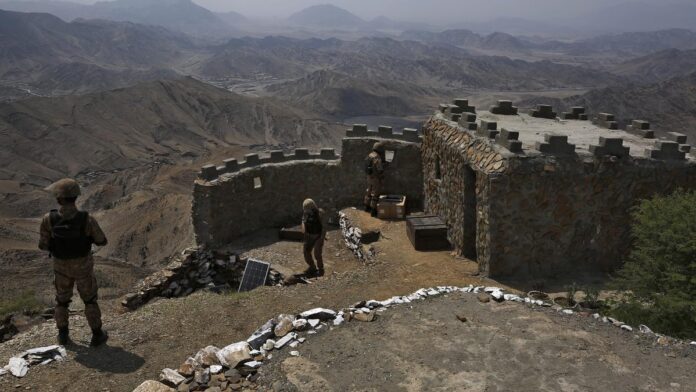
The diplomatic impasse follows armed clashes between October 11 and 15 along the Pakistan-Afghanistan border that resulted in casualties on both sides. With no signs of compromise, the peace process now appears to have stalled indefinitely, deepening uncertainty over regional security in the volatile border areas.