






Mumbai |
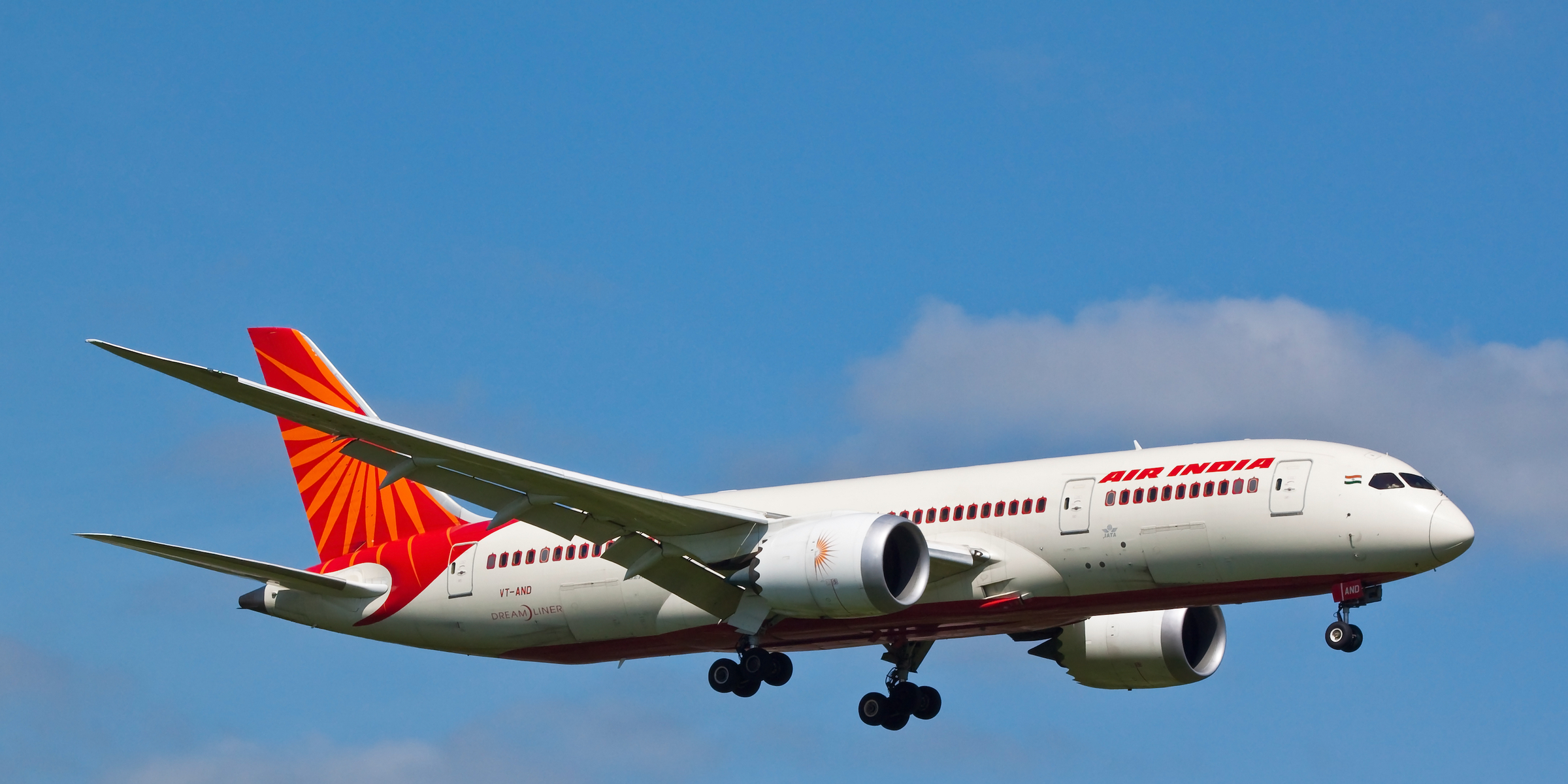
An Air India flight bound for New York’s JFK Airport was forced to return to Mumbai after a bomb threat mid-air, raising fresh concerns about aviation security and emergency response protocols. The Boeing 777-300 ER, carrying 322 passengers and 19 crew members, landed safely at Chhatrapati Shivaji Maharaj International Airport after the threat was identified mid-flight.
This incident is not just another aviation scare; it underscores growing security risks in global air travel and how airlines and governments respond to such threats.
The Threat and Emergency Response
- The alarm was raised when a threatening note was discovered inside one of the aircraft’s lavatories.
- The crew, following strict security protocols, immediately decided to return to Mumbai rather than risk continuing to the U.S.
- Upon landing, security agencies conducted a thorough check of the aircraft, while passengers were escorted safely.
- Air India assured that the flight would be rescheduled, with passengers provided accommodations and assistance.
While security officials are still investigating the source of the threat, this event follows a string of similar incidents worldwide, raising concerns about aviation safety and the efficiency of existing security measures.
Aviation Security: Are Airlines Prepared for Emerging Threats?
For Indian travelers, NRIs, and business professionals who frequently fly on international routes, this incident raises critical questions about aviation security protocols:
- Are airlines fully equipped to handle mid-air threats?
- How do security agencies collaborate across countries to prevent such incidents?
- What measures can be implemented to avoid unnecessary panic while ensuring passenger safety?
As India becomes a bigger player in global aviation, the need for stronger security frameworks, real-time intelligence sharing, and coordinated global efforts has never been more important.
The U.S. and India: Strengthening Cooperation on Aviation Security
The incident also highlights the importance of India-U.S. collaboration on aviation safety. As the two countries strengthen economic and trade ties, ensuring safe and uninterrupted air travel will be a crucial aspect of their partnership.
- The U.S. has some of the world’s most advanced aviation security systems, and India could benefit from increased cooperation in intelligence-sharing and threat response training.
- With India emerging as a global travel hub, authorities must update security measures at major airports and strengthen pre-flight screening procedures.
- Given that India and the U.S. are also deepening trade discussions, ensuring unhindered business travel is key to sustaining economic momentum.
What Happens Next?
For travelers, investors, and policymakers, this incident is a reminder of the vulnerabilities in aviation security. The key questions now are:
- Will India revise its aviation security policies to prevent such threats from disrupting flights?
- How will global aviation bodies respond to the rise in mid-air threats?
- Can India leverage its strategic ties with the U.S. to improve aviation safety?
As global threats evolve, the response from India’s aviation and security agencies will shape not just national preparedness but also the confidence of international travelers and businesses. The real test is not just how well India reacts to such threats—but how it prevents them in the future.