





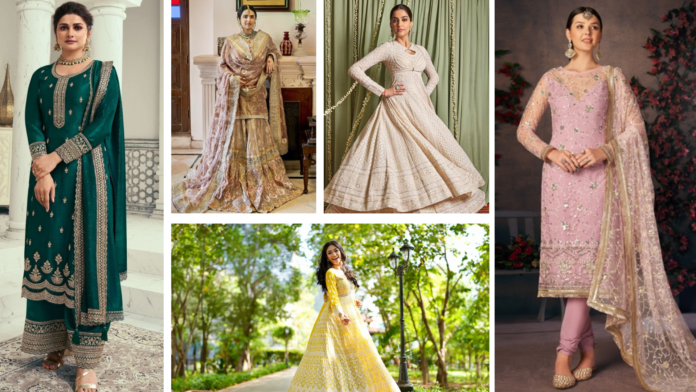

The Mughal Empire wasn’t just about grand palaces, poetry, and power—it was a fashion revolution. From flowing anarkalis to intricately embroidered peshwaz, the Mughals redefined luxury, blending Persian influences with Indian craftsmanship. Their love for opulence wasn’t just limited to jewels and architecture but extended to fabrics, silhouettes, and embroidery techniques that have stood the test of time.
Centuries later, Bollywood celebrities and leading designers still turn to these imperial styles, proving that Mughal fashion isn’t a thing of the past—it’s timeless. Let’s dive into five Mughal-era outfits that continue to make waves in modern fashion.
1. The Salwar: A Royal Gift to Comfort
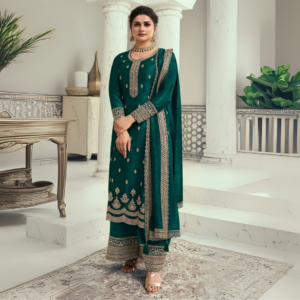 Before the salwar-kameez became an everyday staple, it was the outfit of Mughal nobility. Introduced in the 13th century, this comfortable, loose-fitting trouser was worn exclusively by royal women before making its way into common fashion. With influences from Persian, Turkish, and Central Asian styles, the salwar was adopted in Punjab, evolving into the effortlessly chic salwar-kameez we know today.
Where You See It Now:
✔ The national dress of Pakistan, worn in government offices since the late 1960s.
✔ Modern designers experiment with draped, dhoti-style, and palazzo salwars in Indo-Western fashion.
✔ Bollywood celebs love a good salwar moment—Kareena Kapoor in Jab We Met, anyone?
2. Churidar: The Mughal Trousers With a Twist
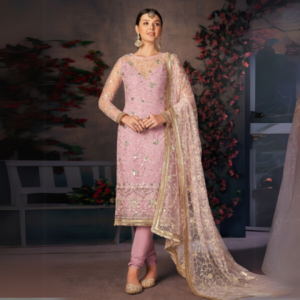 The churidar, an elegant alternative to the salwar, hugged the legs and created those signature pleats near the ankles—hence the name, “churi” (bangle). Royals and courtiers preferred churidars over baggy trousers, and they paired them with jamas, anarkalis, and peshwaz coats for an effortlessly regal look.
Why It Still Works:
✔ Slim-fit churidars are a go-to with kurtas, sherwanis, and designer lehengas.
✔ They add structure and sophistication—especially in wedding ensembles.
✔ Bollywood loves them—Deepika Padukone, Aishwarya Rai, and Sonam Kapoor have flaunted churidars in period dramas.
3. Farshi Pyjamas: A Royal Gown in Motion
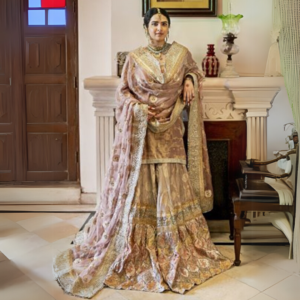 Think of farshi pyjamas as the Mughal version of a red-carpet gown. Inspired by British fashion, these floor-sweeping, ankle-length trousers were worn by aristocratic women in Oudh’s Islamic courts in the 14th century. The dramatic drape of the farshi-shalwar evolved into the farshi-gharara, a favorite of Lucknow’s nawabi women.
Modern Take:
✔ Still a classic for bridal wear in Pakistan and North India.
✔ Seen in grand Bollywood wedding looks—think Aditi Rao Hydari’s royal ensembles.
✔ A-listers have revived the farshi silhouette, modernizing it with lightweight fabrics.
4. Peshwaz: The Mughal Anarkali
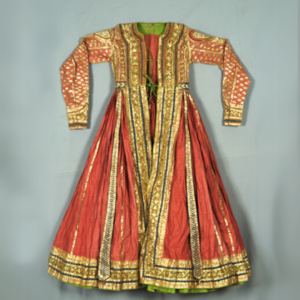 The peshwaz was the Mughal court’s answer to high fashion—a long, flowing gown-like coat cinched at the waist, with a flared bottom. It was traditionally crafted from the finest muslins, often featuring delicate zari work, lace detailing, and intricate embroidery.
Why It’s Still In Vogue:
✔ Bollywood queens Sonam Kapoor, Janhvi Kapoor, and Khushi Kapoor have all flaunted modern peshwaz-inspired couture.
✔ Perfect for pre-wedding festivities, festive occasions, and red-carpet appearances.
✔ Designers like Anju Modi, Sabyasachi, and Tarun Tahiliani have reinvented the peshwaz with velvet, silk, and sheer fabrics.
5. The Legendary Anarkali: A Love Storyy in a Dress
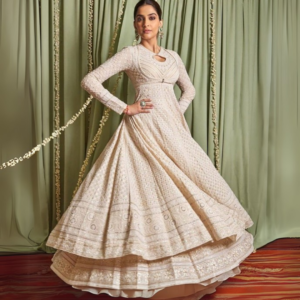 Named after Anarkali, the fabled courtesan whose tragic love story with Prince Salim (Emperor Jahangir) remains legendary, this flowing, floor-length silhouette exudes grace, romance, and royalty. From the Mughal courts to Bollywood bridal fashion, the anarkali suit remains the most iconic desi silhouette of all time.
Why It’s a Forever Favorite:
✔ The fitted bodice and flared skirt flatter every body type.
✔ The go-to wedding and festive look, worn by celebs like Katrina Kaif and Deepika Padukone.
✔ Bollywood period films like Jodhaa Akbar, Mughal-E-Azam, and Bajirao Mastani brought it back into mainstream fashion.
Mughal Fashion: A Legacy That Lives On
From the salwar’s comfort to the anarkali’s elegance, Mughal fashion is alive and thriving in today’s weddings, red carpets, and couture runways. Designers continue to reinterpret royal silhouettes, proving that history isn’t just about the past—it’s woven into the fabric of our present.
So the next time you slip into an anarkali, a peshwaz, or a churidar, know that you’re carrying forward centuries of regal elegance—one outfit at a time!