






New Delhi |
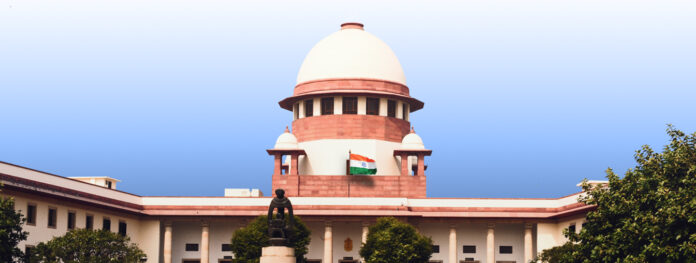
The Supreme Court of India has postponed the hearing on petitions challenging the constitutional validity of the Places of Worship (Special Provisions) Act, 1991. The case was scheduled for review, but due to the requirement of a three-judge bench, it has now been deferred.
The Act, which protects the religious status of places of worship as they existed on August 15, 1947, has been under legal scrutiny, with multiple parties seeking intervention in the matter.
Concern Over Growing Intervention Applications
During the hearing, Chief Justice of India Sanjiv Khanna, along with Justice P.V. Sanjay Kumar, expressed concern over the increasing number of intervention applications. The court emphasized that there must be a limit to such applications, as they could complicate proceedings.
“There is a limit to interventions being filed,” CJI Khanna remarked, signaling that the Supreme Court will likely restrict unnecessary applications in the case.
Who Has Filed Intervention Applications?
Several political and religious groups have submitted applications to be part of the case, either supporting or opposing the petitions challenging the Act. These include:
- Indian National Congress Party
- Communist Party of India (Marxist-Leninist)
- All India Majlis-e-Ittehadul Muslimeen (AIMIM) leader Asaduddin Owaisi
- Jamiat Ulama-i-Hind
- All India Muslim Personal Law Board
- Committee of Management Anjuman Intezamia Masjid (which manages the Gyanvapi mosque in Varanasi)
- Shahi Idgah mosque committee of Mathura
These groups argue that the Act is essential to maintaining communal harmony and should not be altered. On the other hand, those challenging it believe the law prevents legitimate claims on disputed religious sites.
What Is the Places of Worship Act?
Enacted in 1991, the Places of Worship Act mandates that the religious character of places of worship must remain as it was on August 15, 1947. The law bars courts from hearing disputes regarding the status of these religious sites, except in cases already settled before the cutoff date. The Act has been challenged by several petitioners, who argue that it violates the right to religion and right to justice, particularly concerning sites like the Gyanvapi mosque in Varanasi and the Shahi Idgah in Mathura.
What Happens Next?
The Supreme Court has now postponed the hearing until March, when a three-judge bench will examine the case in detail. The court will decide on the validity of the Act and whether any legal modifications are necessary.
For now, all eyes are on the next hearing, as the case could have major implications for religious and legal disputes across the country.