





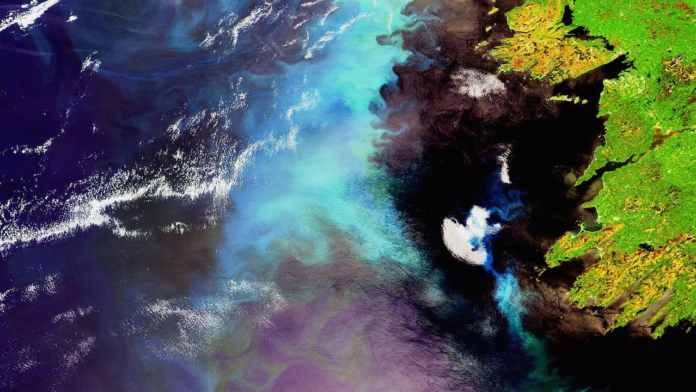

Ever wondered why some waters look crystal blue while others appear murky green or even deep brown? Water is everywhere, yet its colors vary dramatically depending on where you are. From the dazzling turquoise of Caribbean beaches to the muddy hues of mighty rivers, each shade tells a story about what’s in the water and how it interacts with light.
Join us as we dive into the fascinating science behind water’s ever-changing colors and what it reveals about our planet’s health and ecosystems.
The Science of Water’s Colors
Water itself is clear, but it rarely appears that way in nature. The reason? It interacts with light and the tiny particles suspended in it, influencing how we perceive its color.
Sunlight contains all the colors of the rainbow, but when it hits the water, different wavelengths of light are absorbed or scattered. Clear, deep waters like Oregon’s Crater Lake look blue because they absorb longer wavelengths (reds and yellows) while reflecting shorter blue wavelengths. In contrast, waters filled with sediments or organic matter may appear green, brown, or even black.
The Role of Particles in Water
From plant material to microscopic algae, the contents of water significantly impact its color.
- Sediment-rich waters (like the Missouri River, known as the ‘Big Muddy’) scatter light in the yellow-to-red spectrum, making them appear brownish.
- Chlorophyll from algae absorbs blue and red light but reflects green, giving nutrient-rich lakes and coastal waters their characteristic hue.
- Organic matter from decomposed plants and animals darkens water, sometimes making it appear almost black.
When Colors Signal Trouble
While natural variations in water color are normal, drastic changes can indicate pollution or environmental issues. Excess nutrients from fertilizers can trigger harmful algal blooms, turning water green and releasing toxins dangerous to humans and wildlife. Similarly, murky brown water after heavy rains might signal increased erosion and runoff, which can impact aquatic ecosystems.
Using Color to Monitor Water Health
Scientists and environmental agencies use satellite imagery and water sampling to track changes in water color over time. For example, researchers at High Rock Lake in North Carolina analyze chlorophyll levels to predict algal blooms and issue public warnings when necessary.
What You Can Do
Understanding why water changes color can help us protect our lakes, rivers, and oceans. Reducing pollution, supporting conservation efforts, and staying informed about water quality reports are simple yet effective ways to ensure cleaner, healthier waters for all.
Next time you gaze at a lake or ocean, take a moment to appreciate its color—it’s telling you more than you might think!